Porcelain vs. Composite Veneers: What’s the Difference?
Porcelain vs. Composite Veneers
If you’ve been thinking about improving your smile, you’ve likely heard about dental veneers. Veneers are thin coverings placed on the front of teeth to enhance their appearance. They can correct discoloration, chips, gaps, and minor misalignment, giving you a brighter and more balanced smile.
When exploring dental veneers, one of the first decisions you’ll make is whether porcelain or composite veneers are right for you. Both options can deliver beautiful results, but they differ in materials, longevity, maintenance, and overall investment.
What Are Porcelain Dental Veneers?
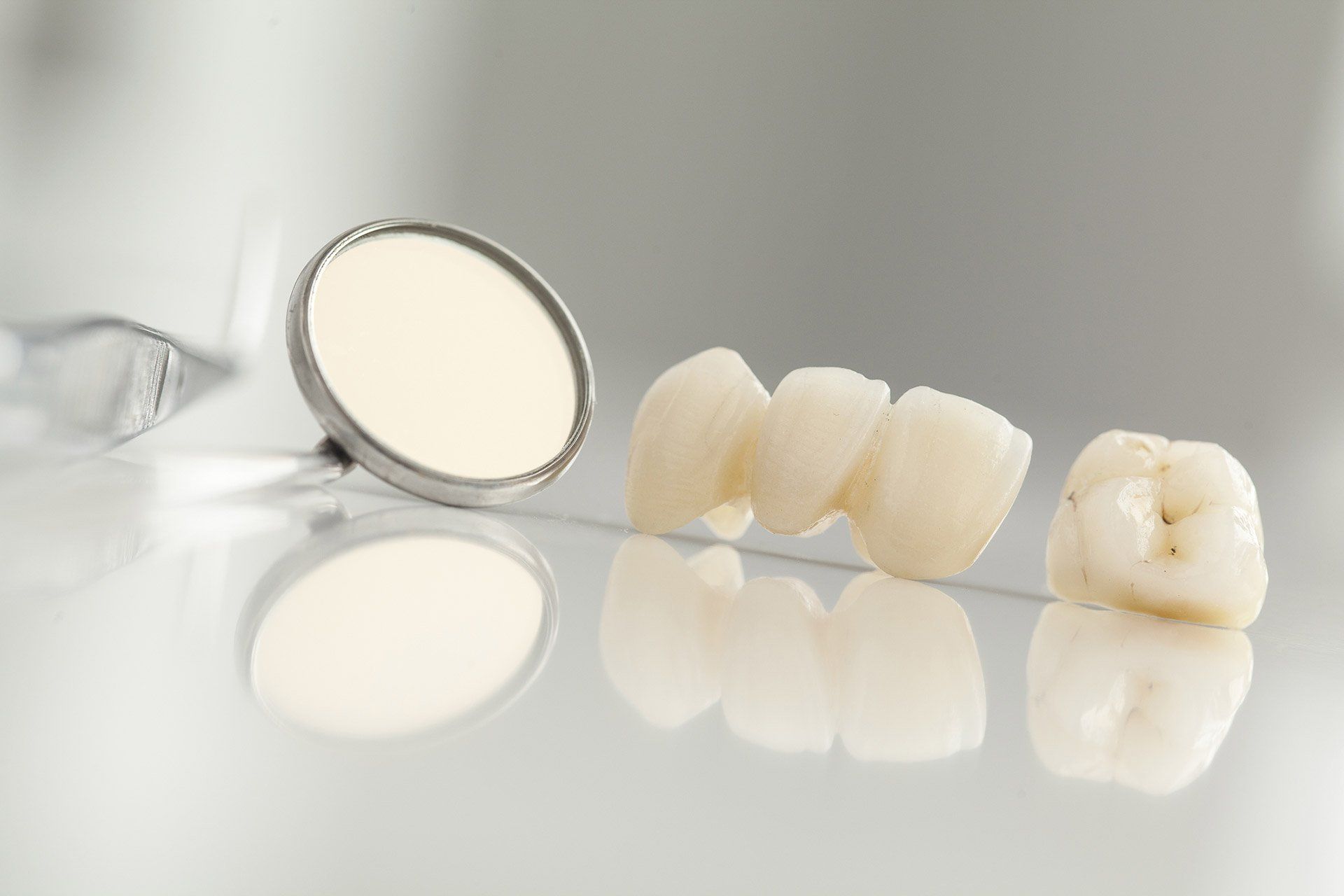
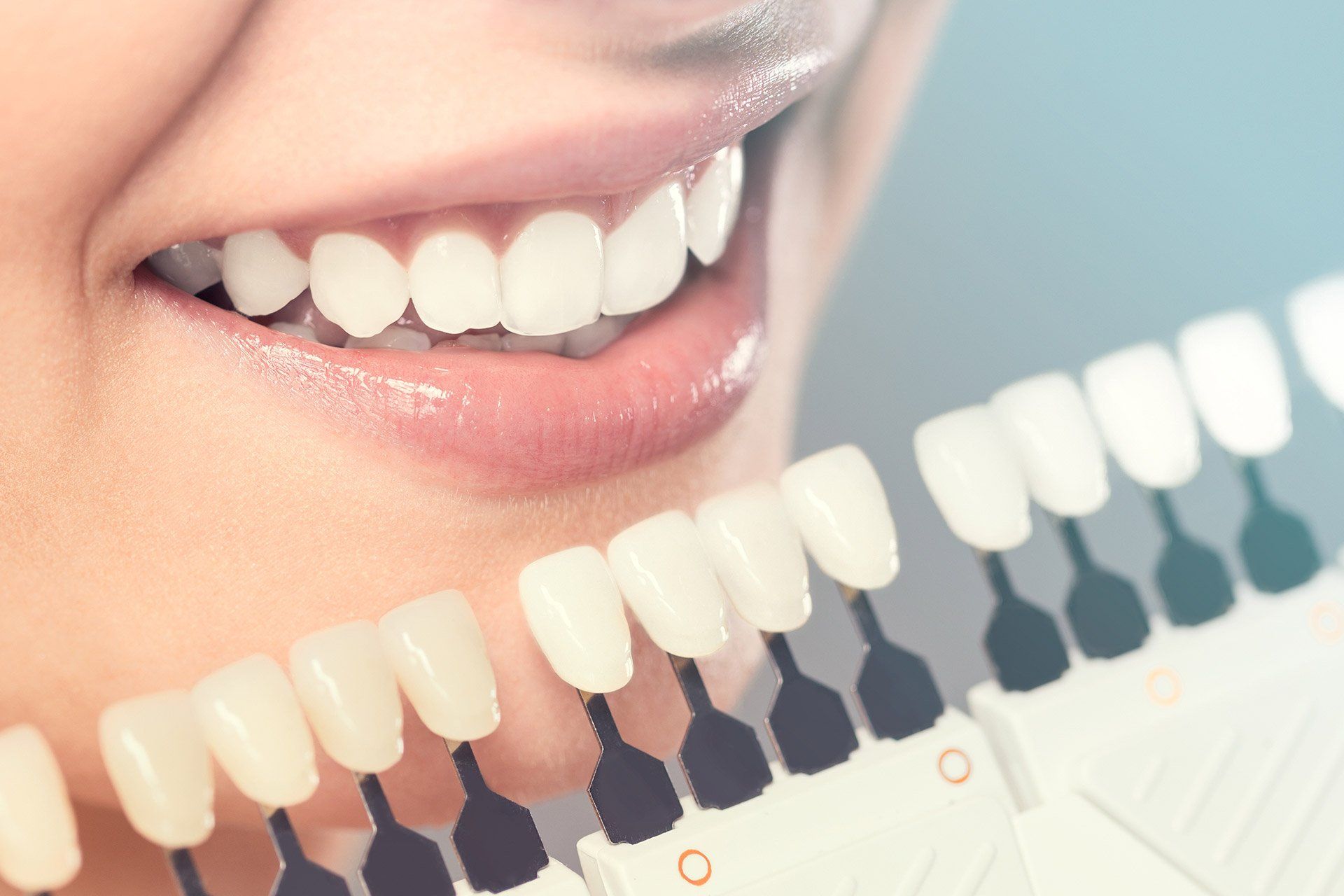
Porcelain dental veneers are custom-crafted shells made from high-quality ceramic materials. They are designed in a dental lab and bonded to the front of your teeth. Porcelain closely mimics the natural translucency of tooth enamel, which makes these dental veneers look very natural.
One of the biggest advantages of porcelain dental veneers is durability. With proper care, they typically last between 10 and 15 years, and in many cases even longer. Porcelain is also highly resistant to staining, which means your smile stays bright even if you enjoy coffee, tea, or red wine.
Because they are custom-made, porcelain dental veneers usually require at least two visits. Some enamel is typically removed to ensure a proper fit and natural appearance.
What Are Composite Dental Veneers?
Composite dental veneers are made from a tooth-colored resin material that is applied and shaped directly on the teeth. Unlike porcelain, composite veneers are usually completed in a single appointment.
Composite dental veneers are generally more affordable upfront, which can make them appealing to patients seeking a quicker smile enhancement. However, they tend to last about 5 to 7 years with proper care. Composite material is more prone to staining and chipping over time compared to porcelain.
That said, composite dental veneers can often be repaired more easily if minor damage occurs, making them a flexible option for some patients.
Maintenance for Dental Veneers
No matter which type you choose, proper maintenance is key to extending the life of your dental veneers. Daily brushing and flossing, along with routine dental checkups, help keep both your veneers and natural teeth healthy.
It’s also important to avoid biting hard objects like ice or using your teeth to open packages. Wearing a nightguard may be recommended if you grind your teeth. Although porcelain dental veneers resist stains better than composite, limiting foods and drinks that cause discoloration can help preserve your smile.
Regular professional cleanings ensure your dental veneers remain in excellent condition and allow your dentist to monitor for any signs of wear.
When Should Dental Veneers Be Replaced?
Even with great care, dental veneers don’t last forever. Porcelain veneers may need replacement after 10 to 15 years due to natural wear or changes in the underlying tooth. Composite veneers may require replacement sooner, especially if staining or chipping occurs. Signs that it may be time to replace dental veneers include visible cracks, discoloration that cannot be polished away, or changes in fit.
Contact Us to Learn More About Dental Veneers
Robert D. Aufrichtig, D.M.D., provides personalized care for patients considering dental veneers. Whether you’re exploring porcelain dental veneers or other options, our team works closely with you to design a smile that looks natural and feels comfortable. From your initial consultation to placement and ongoing follow-up care, we are dedicated to delivering results that last.
Contact our office today to schedule your consultation and learn how porcelain dental veneers can transform your smile.